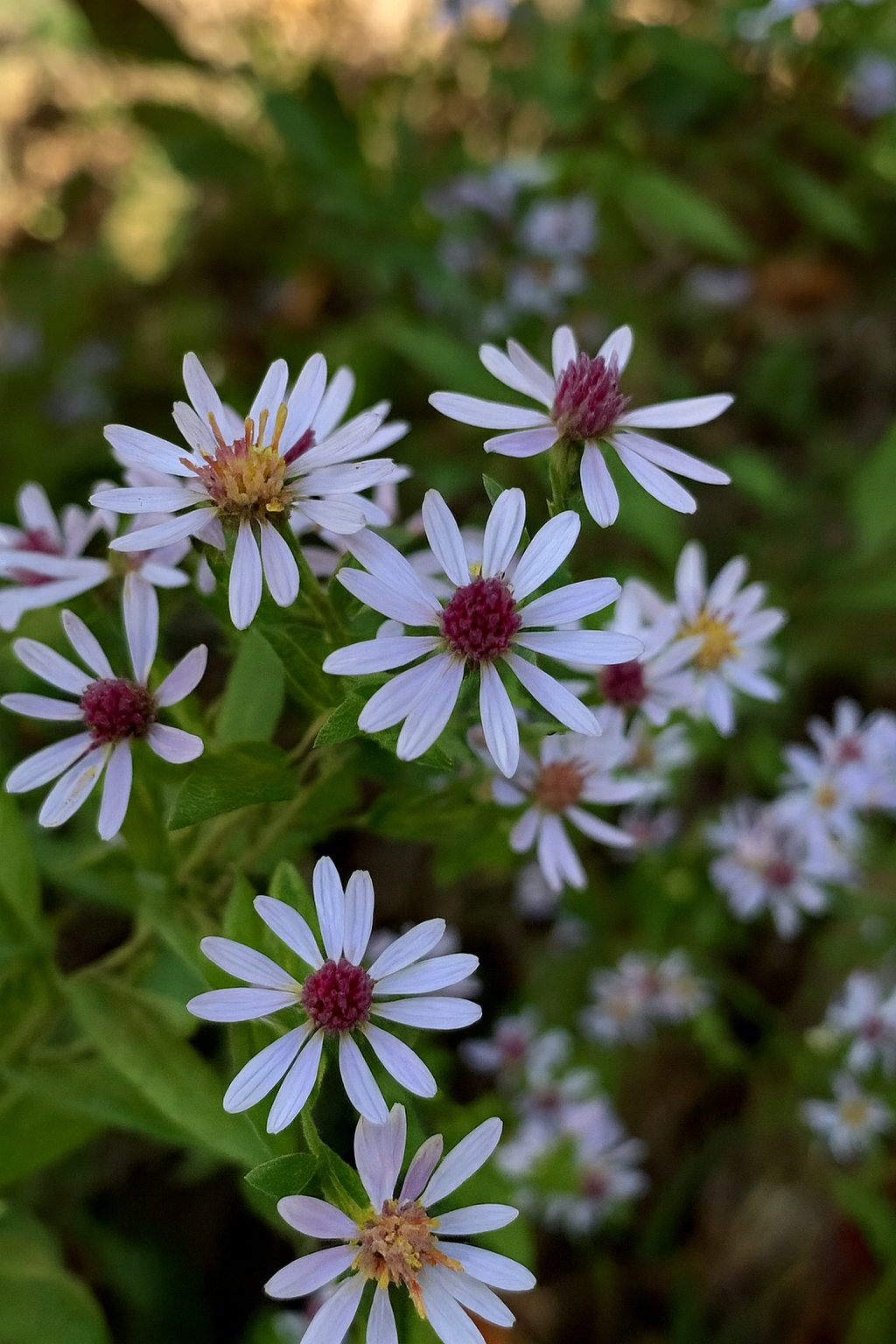
Drummond's Aster (Symphyotrichum drummondii)

from $5.00

Crushing the foliage releases a subtle green, earthy scent, and its soft, heart-shaped leaves add texture to shaded garden paths.

This aster is a powerhouse for late-season pollinators, drawing in bees, butterflies, and migrating monarchs when few other plants are still blooming.

Its pale lavender flowers are lightly edible—often used as decorative additions to salads or herbal displays—and bring a gentle, woodland charm to foraged arrangements.

Indigenous peoples traditionally used various asters for soothing teas and remedies aimed at easing headaches, coughs, and seasonal ailments, reflecting the plant’s calming presence in woodland ecosystems.

Once settled into the garden, Drummond’s Aster spreads gradually by rhizomes, making it a low-maintenance option for naturalized shade plantings and understory restorations.

Despite its graceful, daisy-like blossoms, it thrives in tough conditions: clay soils, dry shade, and woodland edges, proving itself a resilient and dependable performer in native gardens.

Size:

Crushing the foliage releases a subtle green, earthy scent, and its soft, heart-shaped leaves add texture to shaded garden paths.

This aster is a powerhouse for late-season pollinators, drawing in bees, butterflies, and migrating monarchs when few other plants are still blooming.

Its pale lavender flowers are lightly edible—often used as decorative additions to salads or herbal displays—and bring a gentle, woodland charm to foraged arrangements.

Indigenous peoples traditionally used various asters for soothing teas and remedies aimed at easing headaches, coughs, and seasonal ailments, reflecting the plant’s calming presence in woodland ecosystems.

Once settled into the garden, Drummond’s Aster spreads gradually by rhizomes, making it a low-maintenance option for naturalized shade plantings and understory restorations.

Despite its graceful, daisy-like blossoms, it thrives in tough conditions: clay soils, dry shade, and woodland edges, proving itself a resilient and dependable performer in native gardens.

Bloom: late summer to fall

Habitats: areas along woodland paths; burnt-over vacant lots; disturbed open woodlands; edges of yards; partially shaded areas along railroads; partially shaded riverbanks; powerline clearances through wooded areas; rocky woodlands; thickets; thinly wooded bluffs; upland savannas; upland woodlands; woodland borders; woodland openings

Lifespan: perennial

Moisture: mesic to dry-mesic

Plant type (height): forb (1.5 to 3.25 feet)

Requirements: partial sun

Soil: clay-loam; loam; some rocky material